CBT to WBT Course Rebuilds
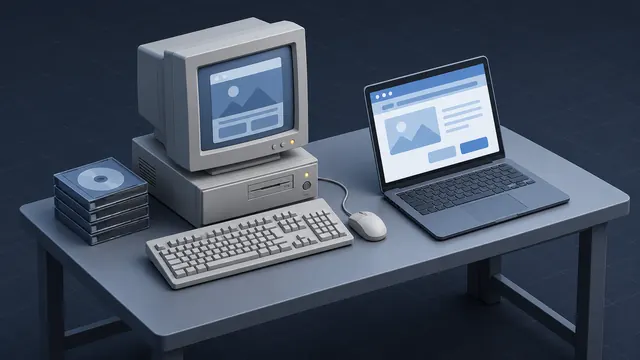
Plenty of good training still lives on CDs or old desktop installs. The content may be solid, but the delivery is stuck. Modern computers often cannot run it, and nothing gets tracked. I rebuild computer-based training (CBT) as web-based training (WBT) that launches from your LMS and reports learner progress.
Why Rebuild Instead of Retire
Old CBT programs usually took real money and expert time to create. The procedures, scenarios and graphics inside them often still apply. Rebuilding protects that investment and gives the content a second life. It is usually faster than writing a course from scratch, and your subject matter experts spend less time reviewing material they already approved once.
Retiring a course has hidden costs too. Learners lose access to proven material, and someone eventually has to recreate it anyway when an audit or a new hire class asks for it. A planned rebuild keeps the training available and puts it on the same platform as the rest of your catalog.
How a CBT to WBT Rebuild Works
A typical project follows a clear path:
- Inventory the original course, including media, branching and test questions
- Pull out the text, images, audio and video that can be reused
- Update outdated content with your experts
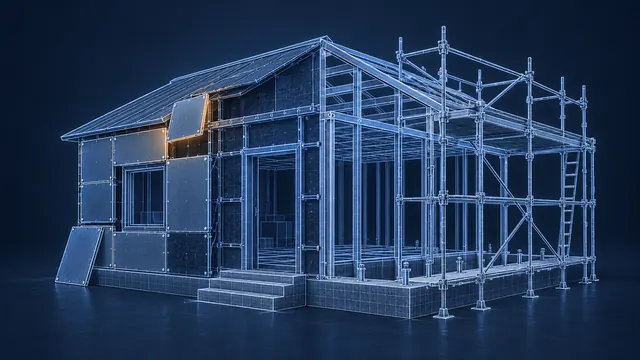
- Rebuild the course in a modern tool such as Articulate Storyline
- Publish to SCORM, AICC or xAPI and test it in your LMS
For example, an Authorware course delivered on CD can be rebuilt in Storyline and published as a SCORM package. Learners get the same lessons in a browser, and your training office can finally see who finished.
Large libraries move faster when similar courses are grouped together and rebuilt from a shared template.
Improving the Course Along the Way
A rebuild is a good moment to fix what learners never liked. I can tighten long screens, add better interactions, replace low-resolution graphics and make the course easier to update. If your audience needs mobile access, I can make it responsive as well, so it works on phones and tablets.
I also look at the assessments. Older CBT quizzes were sometimes graded only inside the program and never saved anywhere. In the rebuilt course, scores go to the LMS, so managers can see results, spot trends and prove compliance when they need to.
Where AI Helps With Legacy Content
Old courses often come with little source material. AI tools help me recover and clean up what is there. Speech-to-text turns old audio into editable scripts, image upscaling can rescue some low-resolution graphics, and AI voice tools can create fresh narration when the original recordings are poor. I check every result by hand, and your team signs off on any changed content.
AI can also help compare the old and new versions of a course, flagging text that changed so your reviewers can focus on what is actually new.
Common Questions
What if we no longer have the original source files?
That is common. I can often work from the running course itself, captured screens and any media that can be extracted. AI tools help turn old audio into scripts. If something cannot be recovered, I will tell you early and suggest a replacement.
Which old formats can you rebuild?
I work with a wide range of legacy CBT, including Authorware, Flash and other CD or desktop programs. If you are not sure what your course was built with, send me what you have and I will take a look.
Will the rebuilt course track in our LMS?
Yes. Tracking is one of the main reasons to rebuild. The course is published to the standard your LMS supports and tested so completions, scores and time report correctly.
Related reading
Have an eLearning Project in Mind?
Tell me about your course, conversion or team challenge. I will reply within one business day with next steps and a free estimate.