AI Plus Digital Twins – The Next Step in Equipment Training
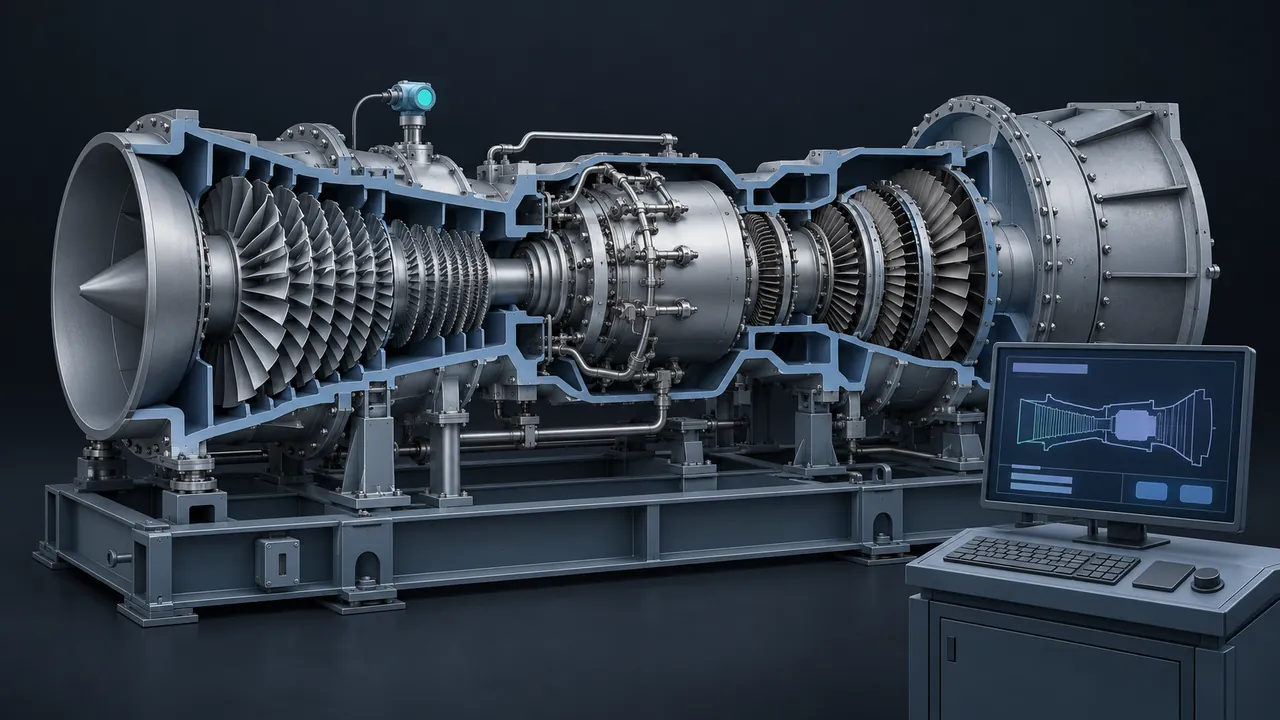
A digital twin already gives operators a faithful virtual copy of their equipment. They can see its layout, its history and how it's running right now. But the twin mostly waits for someone to ask the right question, and new operators don't always know what to ask. What happens when the twin can predict trouble and explain itself in plain words? What does an AI digital twin add to equipment training, and how do you put it to work?
An AI digital twin adds prediction and conversation to a virtual copy of real equipment, so training can rehearse the failures most likely to happen next and learners can ask questions and get clear, grounded explanations. AI models can spot patterns in operating data that point toward specific problems, and training teams can turn those patterns into realistic practice scenarios. Language models can act as coaches that answer "why" questions using approved procedures and the twin's data. AI can also help draft scenarios from past events and personalize practice for each learner. Experts stay in charge of what gets taught, and the training copy stays separate from real control systems.
Quick Refresher: What Is a Digital Twin?
A digital twin is a virtual model of a specific real asset, kept current with data from that asset. The pump in the twin is your pump number 3, with its real configuration, its maintenance history and its current readings. NVIDIA's glossary entry on what a digital twin is gives a good overview of how industries use them.
For training, the twin is valuable because it's accurate. Learners practice on the plant they will actually run, not a generic one. AI builds on that accuracy in a few practical ways.
Predictive Scenarios: Training for What's Likely Next
Many organizations already run predictive maintenance models on their equipment data. These models watch for patterns, such as vibration creeping up or temperature drifting, that tend to come before specific failures. That same insight is a gift for training.
Here's a typical case. The reliability team notices that a certain compressor tends to show a particular warning pattern before a seal problem. The training team builds a scenario in the twin's training copy that plays out that exact pattern. Operators practice spotting the early signs, deciding what to check and taking the right action before the real event happens.
That shifts training from "what happened last year" to "what's likely to happen next." It's also more motivating for learners, because the scenario feels directly connected to the equipment they're responsible for.
Natural-Language Coaching From the Twin
The second big addition is conversation. A language model, such as Claude, ChatGPT or Gemini, can be connected to the twin's training copy and to your approved procedures. Learners can then ask questions in their own words while they practice:
- "Why is the discharge pressure climbing?"
- "What should I check before restarting this pump?"
- "What's different about this unit compared to the one at the other site?"
The coach answers using the current scenario data and your documents, not general internet knowledge. Done well, it's like having a patient senior operator beside every trainee, available at 3 a.m. on a night shift.
Grounding is what makes this trustworthy. Limit the coach to approved sources, have it point to the procedure section it used and test it with experienced operators before learners see it. Treat test transcripts as part of your review, just like you'd review a new job aid.
Clear, simple language matters here too. Operators come from many backgrounds and often speak different first languages. The same plain language AI techniques that help rewrite training content can shape how the coach answers, keeping explanations short and easy to act on.
What Else Can AI Add to a Digital Twin?
Beyond prediction and coaching, a few more additions are worth a look.
| AI capability | Training use | Who stays in charge |
|---|---|---|
| Scenario drafting | Turns incident reports and sensor history into draft practice scenarios | SMEs review and approve every scenario |
| Adaptive difficulty | Adjusts faults and hints to each learner's progress | Designers set the boundaries and rules |
| Performance summaries | Explains a learner's session in plain language for them and their supervisor | Instructors confirm and coach in person |
| Translation | Offers coaching and scenario text in several languages | Bilingual reviewers check key terms |
Scenario drafting deserves a special mention. Writing good scenarios is slow, and many training teams have years of incident reports and operating logs they never had time to use. AI can read those materials and suggest scenarios. An expert then refines the best ones. That partnership can grow a scenario library much faster than writing from scratch.
What Does a Session Look Like?
Here's an illustrative example of how the pieces fit together for one learner. A newer operator starts a practice session on the training copy of the compressor they run every day. The scenario is drawn from a pattern the reliability team flagged: a slow rise in bearing temperature that often comes before a lubrication problem.
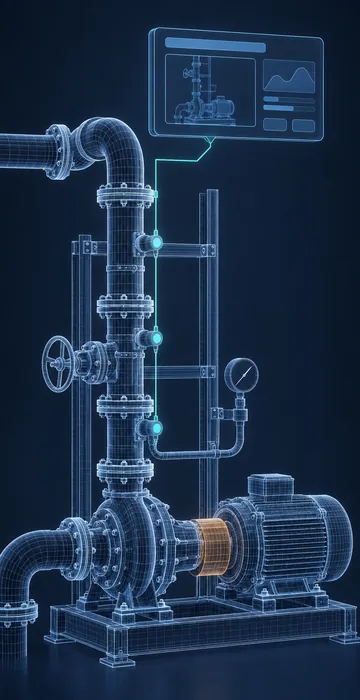
At first, nothing looks wrong. Twenty simulated minutes in, the temperature trend starts creeping. The operator notices, pauses and asks the coach what normally causes a rise like that on this unit. The coach lists the likely causes from the approved troubleshooting guide and points to the relevant procedure step. The operator checks oil pressure in the twin, finds it low and follows the procedure to respond.
After the session, the learner gets a short plain-language summary: they spotted the trend later than ideal, asked a good question and followed the right steps. Their supervisor sees the same summary and spends five minutes talking it through on the next shift. Every piece of that experience was approved by people who know the equipment. AI simply made it available on demand.
How Do You Keep an AI Digital Twin Safe and Accurate?
A few ground rules keep the program on solid footing. None of them slow you down much, and all of them build trust with operations and IT.
- Keep training separate. Learners and AI coaches work in a training copy that reads from the twin or from recorded data and can never send commands to real equipment.
- Ground every answer. The coach should rely on approved procedures and current scenario data, and it should say when it doesn't know.
- Review regularly. Sample coach conversations and generated scenarios on a schedule, and fix anything off-target.
- Protect the data. Operating data can be sensitive. Agree with IT on where it's processed and stored.
- Use a framework. The NIST AI Risk Management Framework is a practical, voluntary guide for thinking through risks in a structured way.
Where Should You Start?
Start with the twin you have and the problem that hurts most. If unplanned shutdowns are the issue, build one predictive scenario around the most common warning pattern. If new operators struggle to get up to speed, add a grounded coach to an existing training scenario for one unit.
Keep the first pilot narrow: one asset, one or two scenarios and a small group of learners with an experienced operator watching. Measure what matters to operations, such as time to recognize a developing problem or confidence on a first solo shift. Then expand from there.
Equipment That Teaches Back
An AI digital twin turns an accurate virtual copy into an active training partner. It helps learners rehearse the problems most likely to come next, answers their questions in plain language and helps your team build scenarios from data you already have.
The expertise still comes from your people. Operators, engineers and trainers decide what good practice looks like and review what the AI produces. With that partnership in place, equipment training becomes more current, more personal and better at preparing crews for the shift ahead.
If you want a concrete first step, ask your reliability team for the one warning pattern they wish every operator could recognize. That pattern is your first AI-assisted scenario.